ch
ch English
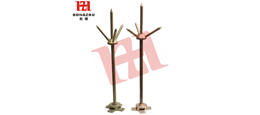
Lightning rod - directly grounded. Make use of the discharge phenomenon at the charge tip to prevent lightning strike. The lightning rod and the protected object are separated, which can protect the important objects in a relatively concentrated way. The lightning rod is actually a lightning rod. Generally, the lightning rod is higher than all protected objects. The top of the lightning rod is a metal tip, and the bottom is well connected with the grounding grid. The grounding resistance is generally less than 10 ohms. In thunderstorm weather, due to the strong distortion of the top tip to the electric field, it attracts nearby thunder clouds to discharge to the tip of the lightning rod, neutralizes the charge of the thunder cloud through good grounding, so as to protect other objects from lightning strikes.
Arrester - indirectly grounded. The overvoltage discharge phenomenon is used to let the lightning strike voltage enter the ground through the arrester. The lightning arrester is connected with the protected object and can protect live objects, such as power transmission lines. Under normal conditions, the inside of the arrester is non-conductive. When encountering lightning stroke, it is conductive.